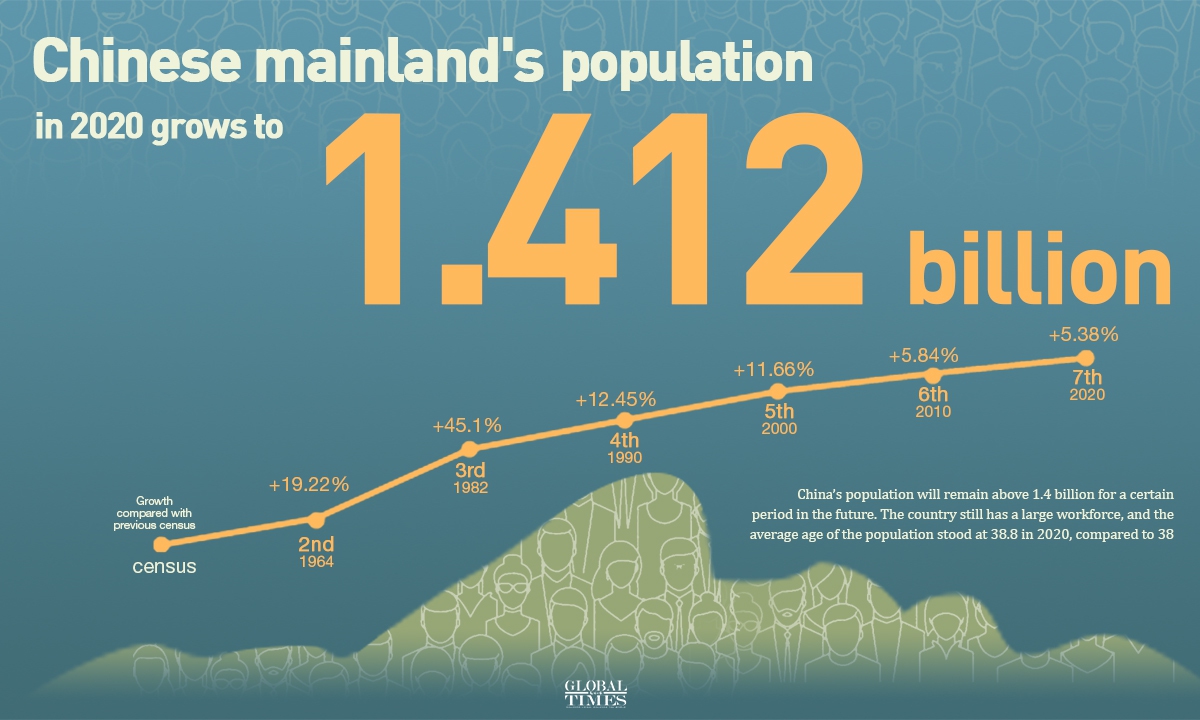
The Total Fertility Rate (TFR) of China has plunged to an alarming 1.09, according to the latest figures. This ongoing decline in TFR has been a significant issue in China, and the trend doesn't seem to be reversing anytime soon.
The first national census in 1953 reported a TFR of 6.05, which increased to 6.18 in the second census of 1964. The rate then started to decline, with the third census in 1982 recording a TFR of 2.86, 2.31 in the fourth census of 1990, 1.22 in the fifth census of 2000, 1.18 in the sixth census of 2010, and 1.3 in the seventh census of 2020.
Reactions from ordinary Chinese netizens vary. One commented, "It seems that the 'plunge' happens every year. Each time it's unprecedented." Another remarked, "A population of around 400 to 500 million would be ideal. I remember my teachers saying this back in school."
There's also a competitive spirit, with one user asking, "When will we surpass South Korea and become number one? About 5-10 years should do it." After researching, the user noted that South Korea's rate is a staggering 0.78. "Given our current rate, it will take some time to catch up, although our decline is faster than what South Korea experienced."
One netizen predicted that by next year, the rate might fall below 1.0. They noted, "Officials are well aware of why the fertility rate is low, yet they do nothing to change it. They shout meaningless slogans, distribute a few coins, and make 'transfer payments' without improving the living conditions of young people."
Another user questioned the need for a large population, stating, "What do we need so many people for if they are going to be unemployed at 35?" This reflects the worry about the economic implications of a declining population.
However, any sudden decrease in population, whether through natural death or a falling birth rate, can be a shock for any nation.
In my opinion, the declining fertility rate is a complex issue tied to social, economic, and political factors. The government should consider these factors and create policies that address the root of the problem. Instead of focusing on short-term solutions, a long-term strategy is needed to tackle this problem effectively. China's future will significantly depend on its ability to manage this demographic challenge.